
Call: 08071931337
 Send Inquiry
 Send Inquiry
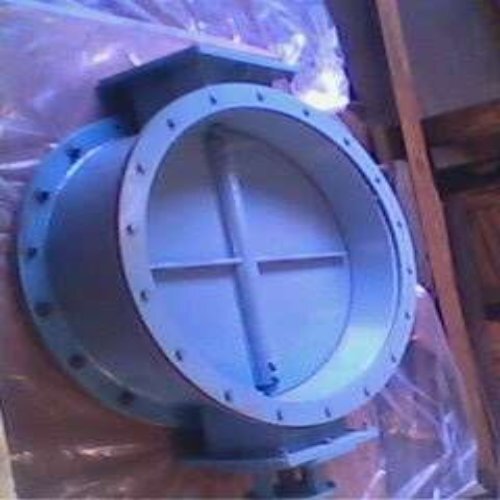
Butterfly Damper
Butterfly Damper Specification
- Application
- Ducting, Air Handling Units, Industrial Ventilation
- Form
- Fabricated
- Features
- Leak Proof, Manual Operation, High Efficiency
- Purity
- N/A (Not applicable for fabricated steel products)
- Machines Type
- HVAC Systems, Industrial Air Handling
- Load Capacity
- Suitable for normal industrial air flow loads
- Usage
- Industrial and Commercial Air Ducts
- Color
- Grey
- Installation Type
- Flanged/Mounted
- Diameter
- 300 mm - 2000 mm (customizable)
- Material Grade
- IS 2062
- Thickness
- 5 mm (customizable)
- Product Type
- Butterfly Damper
- Main Material
- Mild Steel
- Surface Treatment
- Paint Coated
- Size
- Customized
- Weight
- 15-50 kg (approx., varies by size)
- Feature
- Corrosion Resistant, Easy Operation
- Shape
- Round
- Temperature Range
- Up to 200°C (depending on application)
- Sealing Type
- Non-metallic Gasket for Enhanced Sealing
- Operational Life
- >10 Years under standard conditions
- Pressure Rating
- Low to moderate pressure systems
- Maintenance
- Low, designed for easy servicing
- Connection Type
- Flanged Ends
- Operating Mechanism
- Manual Hand Lever, Motorized option available
- Blade Type
- Single or Multi-blade
About Butterfly Damper
Butterfly dampers, also known as butterfly valves or simply dampers, are mechanical devices used to control or regulate the flow of a fluid or gas in a duct or pipe. They consist of a circular disc or plate that pivots on a central axis and can be rotated to various angles to adjust the flow rate.
Butterfly dampers are commonly used in HVAC (Heating, Ventilation, and Air Conditioning) systems, industrial processes, and power plants to regulate the flow of air, gas, or other fluids. They are often made of materials such as stainless steel or aluminum and come in various sizes and shapes to fit different duct or pipe configurations.
One advantage of butterfly dampers is that they can be operated quickly and easily, making them ideal for applications where rapid adjustments to flow rates are required. However, they may not be as precise as other types of dampers, such as louver dampers, and may not provide a complete shut-off of the flow when fully closed.
Efficient Sealing and Operation
Equipped with a non-metallic gasket, the butterfly damper delivers reliable leak-proof sealing. Its simple manual hand lever ensures intuitive control, while an optional motorized mechanism is available for automated systems. With its robust design, the damper provides stable performance in typical industrial air flow applications.
Customizable and Durable Construction
Built from paint-coated mild steel and conforming to IS 2062 standards, this damper excels in corrosion resistance and longevity. Customers can customize key parameterssize, thickness, and diameterto fit their unique installation needs. Its round shape and flanged ends streamline integration into both new and existing ductwork.
Minimal Maintenance and Easy Servicing
The low-maintenance design ensures reliable operation over an extended period, typically exceeding 10 years under standard conditions. Servicing is straightforward, thanks to accessible construction that facilitates inspection, cleaning, and part replacement, minimizing operational downtime.
FAQs of Butterfly Damper:
Q: How is the butterfly damper installed in industrial or commercial ducting systems?
A: The butterfly damper is designed with flanged ends, making it easy to mount between ducts or air handling units using standard flange bolts. This simplifies integration into both new and retrofit HVAC and ventilation systems.Q: What are the main benefits of the non-metallic gasket in the damper?
A: The non-metallic gasket provides enhanced sealing, reducing air leakage for increased energy efficiency. It also ensures the damper remains leak-proof and maintains high sealing performance over prolonged use, especially in applications with temperature variations up to 200C.Q: When should I choose a manual hand lever instead of the motorized option?
A: Manual hand lever operation is ideal for applications requiring simple, periodic adjustments or where automation is unnecessary. For systems needing frequent, remote, or automated control, the motorized mechanism provides greater convenience and integration flexibility.Q: Where is the butterfly damper typically used?
A: This butterfly damper is commonly installed in industrial and commercial air ducts, ducting systems, air handling units, and industrial ventilation. Its corrosion-resistant and robust design makes it well-suited for HVAC and related industrial air flow management.Q: What is the process for servicing and maintaining the damper?
A: Servicing involves loosening the flanged connection, removing the damper, and cleaning or replacing components as needed. Routine inspections for gasket integrity and surface condition ensure reliable operation and extend the dampers lifespan.Q: How is the damper size and thickness customized for different applications?
A: Upon order, customers can specify diameter (from 300 mm to 2000 mm), thickness (starting at 5 mm), and other dimensions. This allows tailoring the damper to handle specific air flow loads and ducting configurations as per project requirements.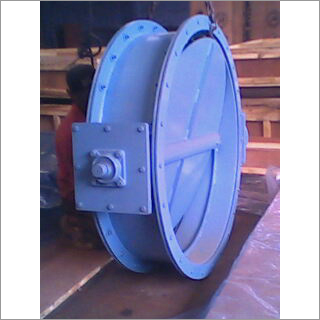
Tell us about your requirement

Price:
Quantity
Select Unit
- 50
- 100
- 200
- 250
- 500
- 1000+
Additional detail
Mobile number
Email

More Products in Damper Category
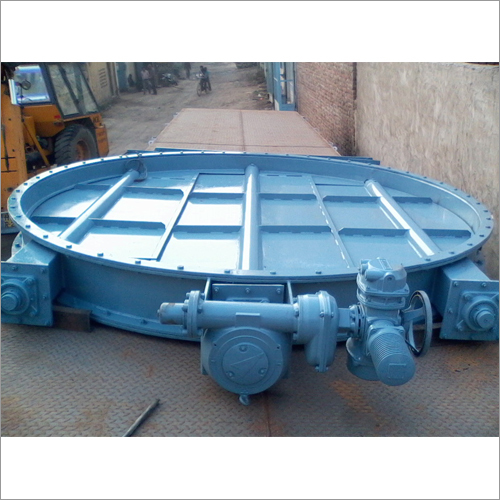
Multi Louver Damper
Shape : Rectangular / Square
Machines Type : Ventilation Equipment
Surface Treatment : Powder Coated / Painted / Galvanized
Application : HVAC Systems, Industrial Ventilation, Air Handling Units
Size : Customized as per requirement
Features : Manual or Motorized Operation, Air Leakage Prevention
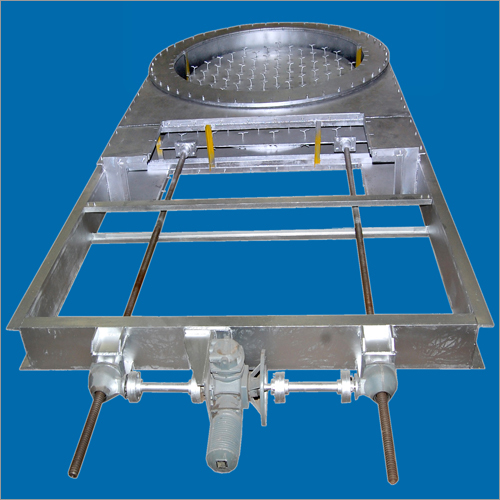
TAD Shut-off Damper
Shape : Rectangular / Circular
Machines Type : Ducting, Air Control Systems
Surface Treatment : Powder Coated / Painted / Galvanized
Application : HVAC systems, Industrial ventilation ducts, Air Handling Units
Size : Customizable as per requirement
Features : Manual or motorized operation, precise shutoff, long service life

Contact Details
BHARTI HEAVY ENGINEERING CO.
GST : 06AUDPP8271F1ZH
- WORKS:- Plot No. 2, Gali No-3W, Saroorpur Industrial Area, Nangla Gujran, Faridabad - 121004, Haryana, India
- Phone :08071931337
 Send Inquiry
- OFFICE:- Plot No. 22, Block No.07, Spring Field Colony, Sector-31/33 Faridabad - 121003, Haryana, India
Cell Ph. 09811106271

Developed and Managed by Infocom Network Private Limited.
